
In revisiting Emily Dickinson's poetry years later, the author reflects on personal growth and the deeper understanding of themes like hope and death. Initially academic, the poems transform into profound insights about existence, illustrating the permanence of hope and the dignified presence of death. Dickinson's work resonates differently as life experiences reshape perception.
Category: Poetry
La Belle Dame Sans Merci | A Self-Reflection
The author reflects on studying John Keats's "La Belle Dame Sans Merci," reminiscing about a lack of diverse literary exposure in their B.A. program, focusing primarily on British literature. This leads to a deeper exploration of the poem's themes, interpreting it through a spiritual lens, and contemplating the nature of illusion, freedom, and human experience.
Legend of White Horseman
The Curse of Yagnavalika is a haunting ballad of love, betrayal, and eternal night. Seven animal friends, a wounded sage, and the White Horseman journey through forests, towers, and curses, seeking dawn’s return. A tale where myth and verse entwine, leaving echoes of shadow and light.
Tum Aa gaye Ho by Gulzar Sahab | My Translation Take
The post discusses the song "Tum Aa Gaye Ho" from the film Aandhi, with themes of love, light, and life's meaning. It highlights the emotional depth of the lyrics by Gulzar and reflects on the film's narrative of a woman navigating her political career alongside personal choices. The author's admiration for Gulzar's poetry is evident.
Keats and Kabir in Conversation on Soul and Life’s Impermanence
The post reflects on a contemplative dialogue between poets Kabir and Keats, exploring themes of impermanence, kindness, and self-awareness. Through a vivid conversation over jasmine chai, they reveal that life's fleeting moments should inspire compassion and mindfulness, emphasising that quality of life, not longevity, defines our existence.
Borderless Storytelling with Hemingway, Rumi, and Bashō
The essence of storytelling lies in the balance of presence, as demonstrated by Hemingway, Rumi, and Bashō. Each writer influences narrative through brevity, depth, and silence, respectively. Their teachings emphasise that great storytelling isn't merely about entertainment but about genuine observation and connection, inviting readers to engage with the moment.
The Female of the Species by Gauri Deshpande | My Take
Gauri Deshpande's poem "The Female of the Species" explores the emotional resilience and solidarity among women navigating similar hardships. It highlights their unspoken strength and the complex, nuanced communications they share during mundane conversations. This bond provides comfort, understanding, and a sense of identity amid societal pressures and personal struggles.
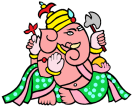
The Elephantine God | Invocation Poem
Post participation in a 21-day poetry challenge, results in my first poetry collection, "Call of the Moon," published in 2024. The audio poem "The Elephantine God" is an invocation to Lord Ganesha, embodying themes of grace, enlightenment, and the mystical nature of existence.
Romantic Movement Influenced Poets Around the World
The Romantic Movement, spanning from the late 18th to mid-19th century, celebrated emotion, nature, and individualism. Key poets like Wordsworth and Keats exemplified this through vivid imagery and exploration of beauty and mortality. The movement influenced global literature, addressing themes of childhood innocence, social critique, and the sublime experience of nature.
Brewing A Cup of Poetic Tea
The writer discusses her love for poetry, her experience as an aspiring poet, and her ongoing fascination with the world poetry. She expresses her emotional connection to poetry, despite pursuing a career in prose. She also shares a personal version of the poem "A Cup of Tea" and her desire to explore poetry from various cultures.
 Itinerant Storyteller